Manual or Motorized: Choosing a Retractable Awning for Greenwood
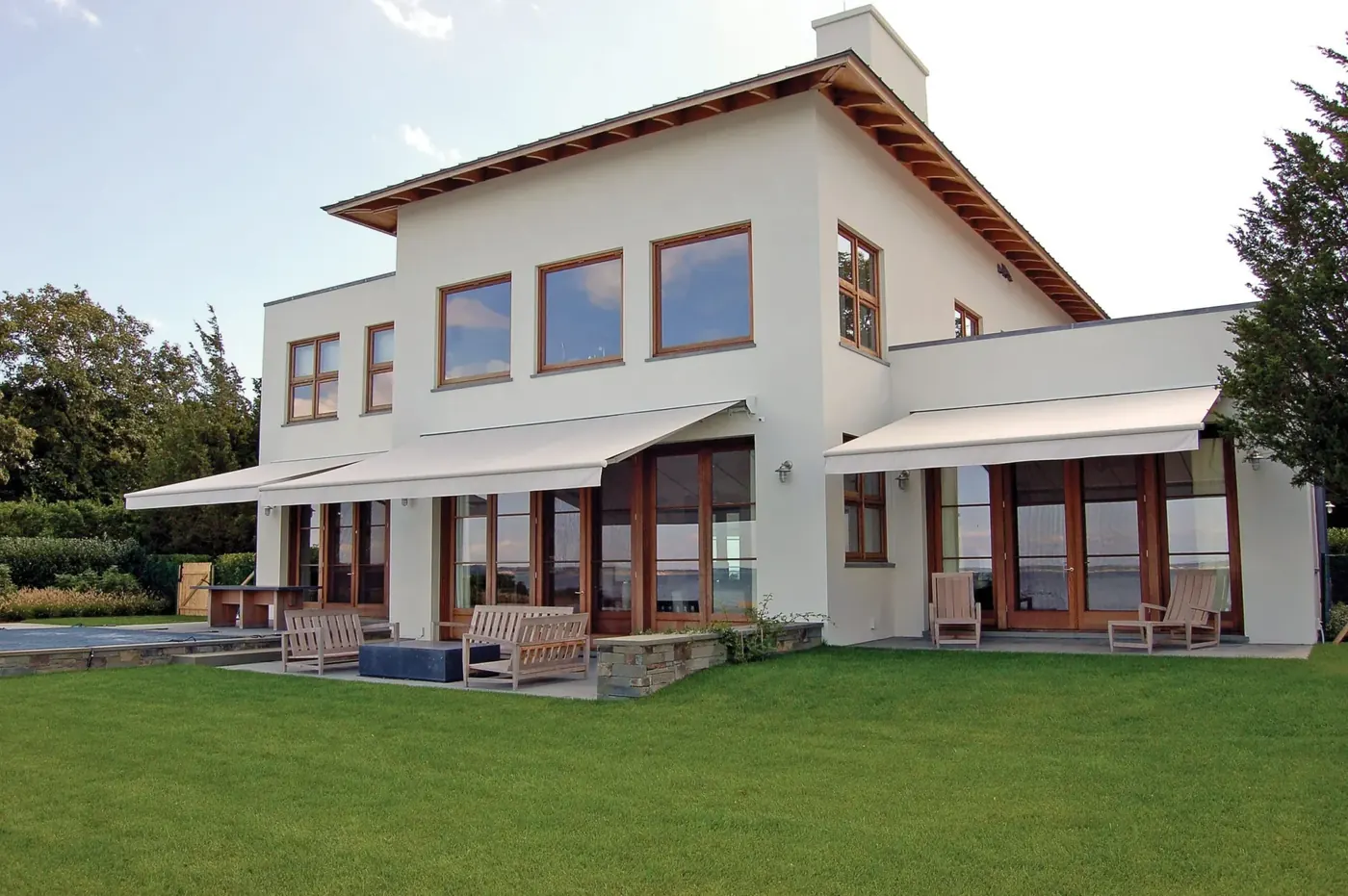
Manual and motorized awnings do the same job in completely different ways, and the choice matters more than most people assume before they've owned one through a real storm season. This walks through what actually changes between the two, from the cost on the invoice to what happens on a Greenwood evening when the wind picks up and nobody's outside to crank a handle.
Sizing an Awning: Width and Projection
Before manual or motorized even enters the conversation, the awning has to be sized correctly, and that starts with two numbers. Width is how far the unit runs across the wall. Projection is how far it reaches out, and it's the number that actually determines whether anyone sits in shade on a Greenwood patio.
Nearly all lateral arm units require width to exceed projection, since the folding arms need room to close, so a narrow wall limits projection regardless of what else gets chosen later. Mounting height matters just as much: the awning pitches downward as it extends, typically 15 to 25 degrees, so a low mounting point with a long reach puts the front bar right at eye level.
Get this part right before comparing operation types, because a manual crank and a motor both attach to the same arms, and neither fixes a size that was wrong from the start.
What Drives the Price and What the Wall Has to Hold
Nationally, an installed retractable awning runs roughly $1,000 to $6,000, and that spread covers everything from a ten foot manual unit over a back door to an eighteen foot motorized one with a full cassette and a wind sensor. Hood type is a real cost line on its own. An open roller is cheapest. A full cassette, which closes around the roll completely, costs the most, and a semi cassette that shields just the top and front sits in between.
Mounting conditions are the line item nobody budgets for and everybody should. Brick veneer, stucco, a wall that needs blocking added and a covered porch mount all take longer to anchor into than a clean frame wall, and labor is a real share of the total on any of them. Solid masonry takes heavy sleeve or wedge anchors set into the mortar pattern the manufacturer specifies. A frame wall with light siding gets lagged into the band board or into blocking added from inside, and blocking is the honest fix when the bracket spacing doesn't line up with what's already there.
A Greenwood contractor should walk the wall before quoting a number, because the wall changes the price as much as the awning does.
Fabric Choices and What They're Made Of
Choosing fabric by price alone is where a lot of Greenwood awnings go wrong two summers in. Piece dyed fabric looks perfectly fine on day one and tired by the second season, because the color sits on the surface instead of running through the fiber the way it does in solution dyed acrylic. That's the fabric actually worth paying for, since pigment gets mixed into the liquid acrylic before the fiber forms, which slows fading and lets the material breathe so heat doesn't build up underneath.
Picking vinyl coated polyester for the water resistance and not accounting for what it does with heat is the other common misstep. It sheds rain well, but it holds warmth underneath and can turn brittle once a hard freeze sets in, which shows up as a problem nobody expected until winter.
Manual or Motorized Operation
A manual awning uses a gear box and a crank handle. It's reliable and needs no power, so it still works during an outage. The trade off is a minute or two of cranking each direction, and that friction is exactly why manual awnings get left out in weather they shouldn't be in.
A motorized unit puts a tubular motor inside the roller tube. Hardwired versions need a circuit run to the wall, which usually means an electrician, while battery and plug in options skip that step. The real argument for a motor isn't convenience for its own sake. An awning that retracts in seconds from inside the kitchen actually gets retracted in a Greenwood storm, before the wind does any damage.
A wind sensor reads movement at the arm or front bar and retracts the unit automatically past a threshold you set, which matters most while nobody's home.
Living With an Awning Through the Seasons
An awning earns its keep from late May into the back half of September here, when a west facing patio can go from pleasant to unusable right around four in the afternoon. Spring and fall are the underrated months. An awning extends both shoulder seasons by cutting glare and taking the edge off a bright, cool afternoon, and plenty of Greenwood homeowners end up on the patio more in May and October than they expected.
Fall is also when the season's real work happens. Extend the awning fully on a dry, breezy day and brush off debris with a soft brush, skipping the pressure washer, which can drive water into the seams. Spot clean any marks with mild soap and cool water, then let it dry completely before rolling it back up. Retract it only once it's fully dry, since fabric put away damp for the winter comes out mildewed in spring, and cut power to a motorized unit for the season so nothing extends it into snow by accident.
Spring startup is quick: check that both arms extend evenly and that the front bar sits level before the first real weekend outside.
Get the projection right for the furniture you actually use, and put the anchors into something structural. The wind sensor is worth adding too. Those decisions carry the job, and everything else is preference. Greenwood Window Treatments looks at the wall before quoting anything, and we're insured and bonded, with the mounting detail written into the scope. Call (317) 854-7158 and we'll come out and measure the patio.
Frequently Asked Questions
How far out should the awning reach?
Measure the furniture, not the wall. A table with chairs needs about ten feet of depth to stay covered, since people push back when they sit, and a grill area needs less. Two limits still apply. Most lateral arm units require the width to exceed the projection, so a narrow wall caps how far out you can go. And the awning pitches downward as it extends, so a low mounting height puts the front bar right in your line of sight.
Can an awning mount to brick?
Yes, but it depends on whether the brick is structural or a veneer over a frame wall. Solid masonry takes heavy sleeve or wedge anchors placed where the manufacturer specifies. Brick veneer is a facing that carries almost nothing, so fasteners have to reach the rim board or blocking behind it, with the gap sleeved so tightening doesn't crush the brick face. That gets sorted out at a site visit, before anything is ordered.
What does a retractable awning cost installed?
Nationally, an installed retractable awning runs roughly $1,000 to $6,000, and the spread is wide because size, motor, hood type and fabric grade all move the number in different directions. A small manual unit over a back door sits near the bottom. An eighteen foot motorized awning with a full cassette and a wind sensor sits near the top. Mounting conditions matter too, since a wall that needs blocking added takes longer to anchor into than a clean frame wall.
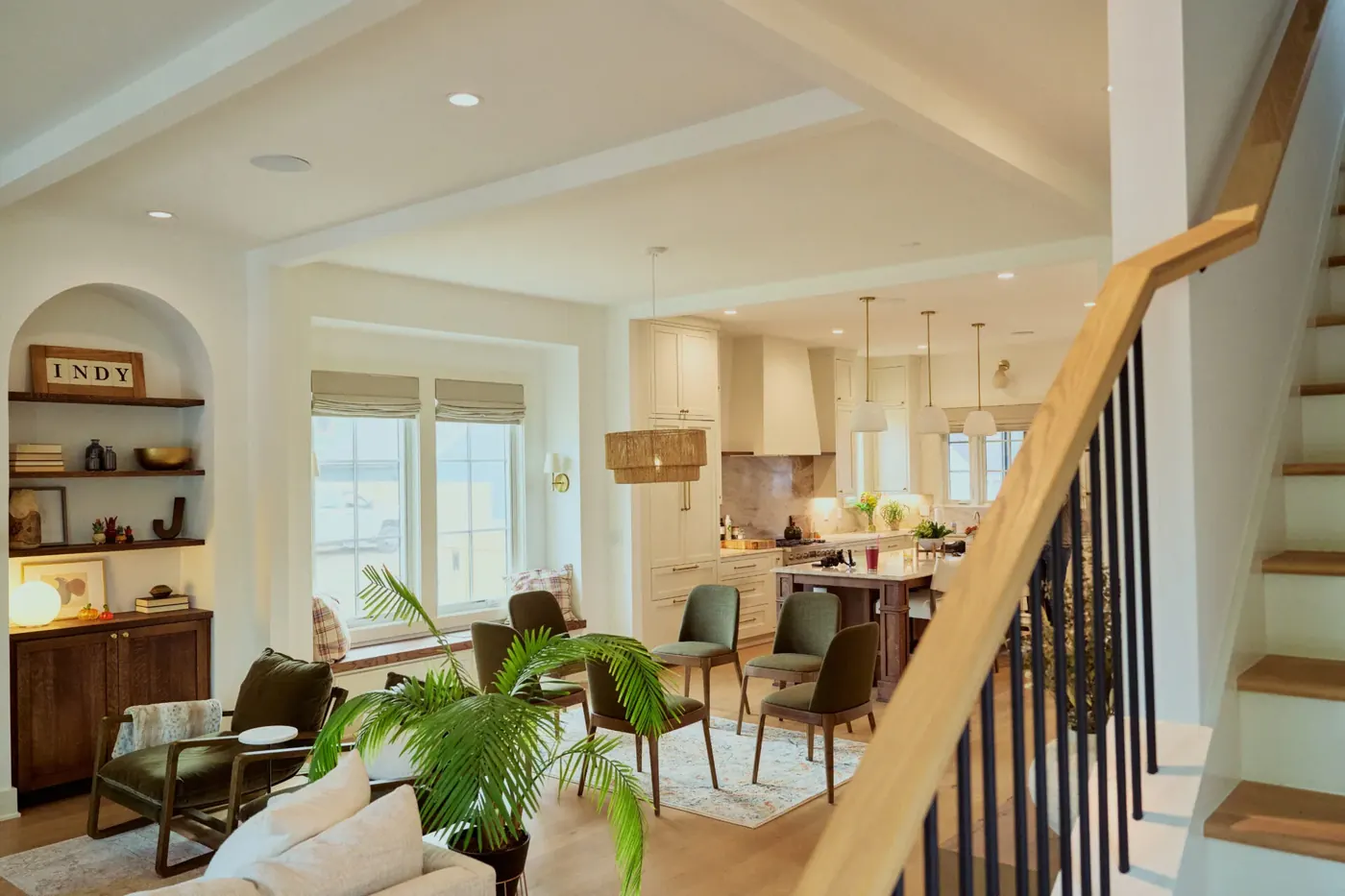 How to Measure Your Own Windows for Blinds or Shades
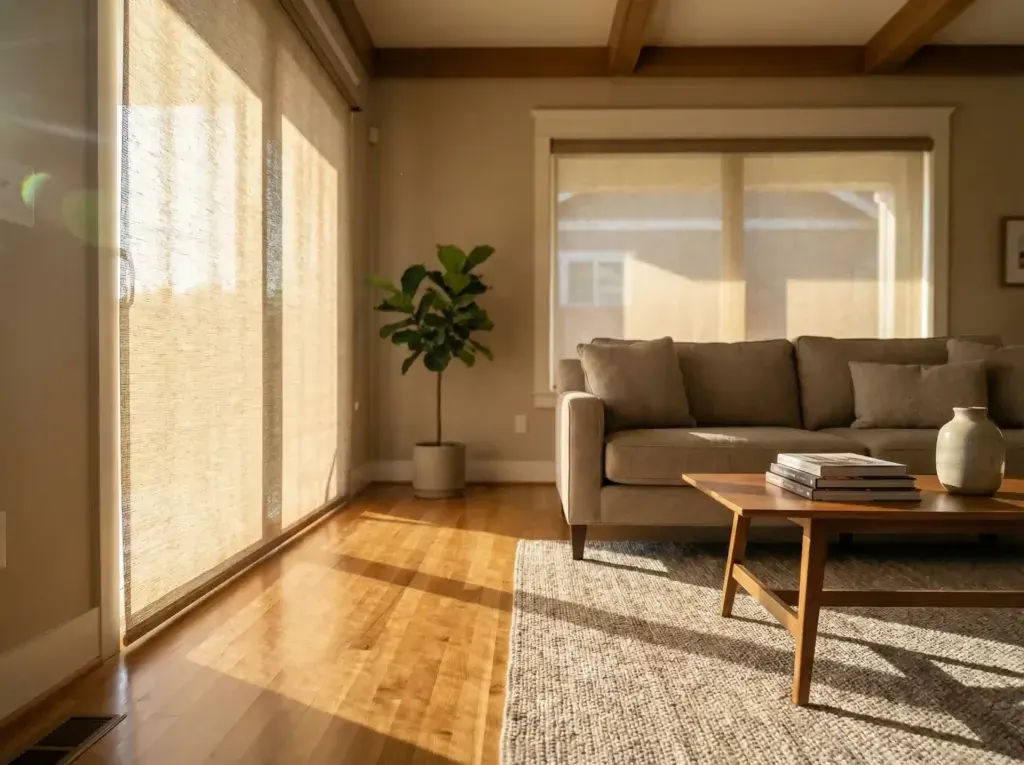 Room by Room Comfort Through an Indiana Winter in Greenwood
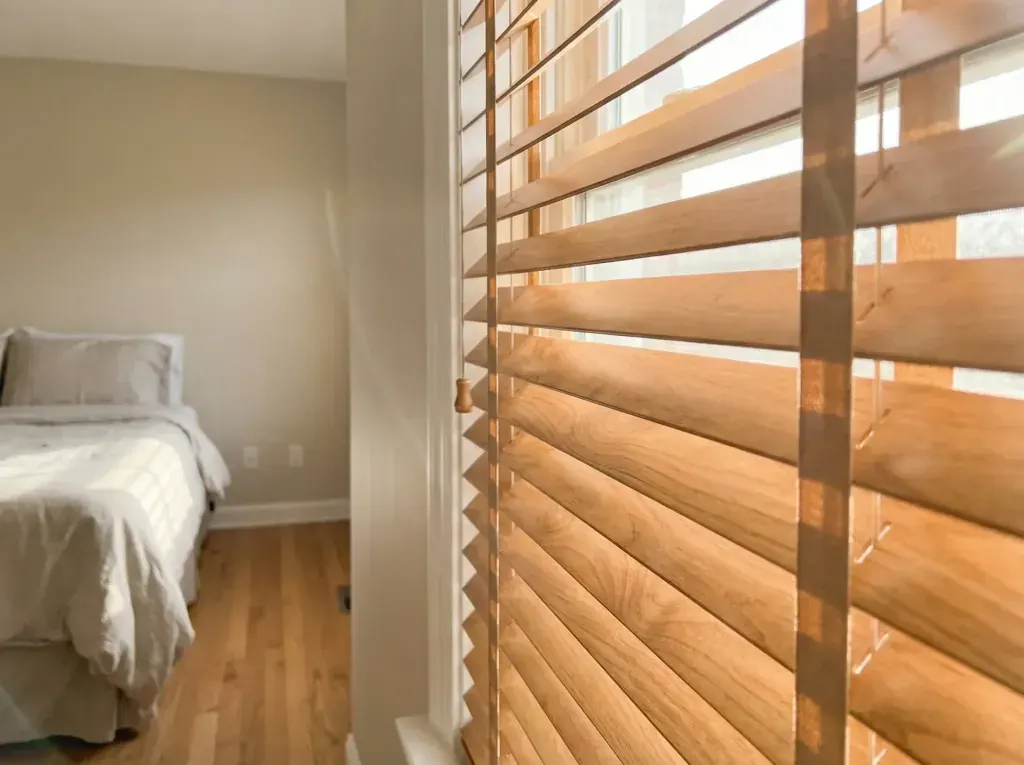 Wood vs Faux Wood Blinds for Greenwood Homes: How to Pick