What Window Treatments Cost in Greenwood Homes, Start to End
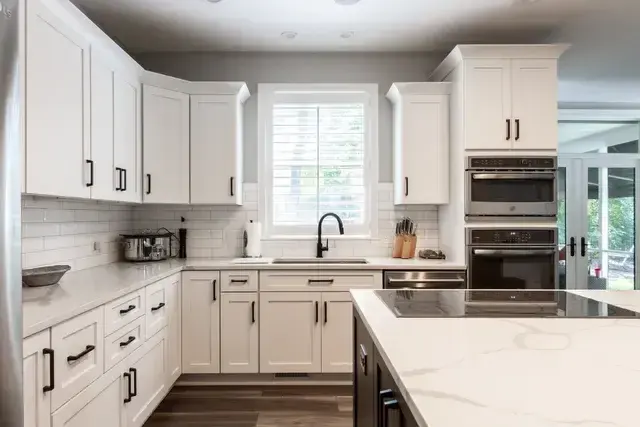
There's a moment in every window treatment project where the choices stop feeling exciting and start feeling like a test. Blinds or shades. Inside mount or outside. Cordless, corded or motorized. The good news is that the decisions have an order, and once you follow it, most of them answer themselves. This is the guide we'd walk a Greenwood homeowner through at the kitchen table, in the same order we'd cover it in person, with the parts that usually get skipped left in.
Where the money actually goes
Window treatments look like a fabric purchase and price like a machine purchase, which surprises almost everyone we sit down with in Greenwood. The material is rarely the biggest line. Size and mechanism drive the number far more than color does, and the mount type matters too. Knowing that lets you spend where it shows.
Start with the national ranges so you have a frame. Stock product from a shelf runs roughly $60 to $600 a window. Custom product, measured in your home and installed by the people who measured it, runs roughly $250 to $2,600 a window. Nobody pays the bottom of that range on a wide opening and nobody pays the top on a bathroom window. Where you land depends on the five things below.
- The size of the opening. Fabric and hardware both scale with it, and past a certain width a shade needs a heavier tube or a center support bracket.
- Material. Poly and faux wood sit low. Hardwood, woven wood and better solar fabrics sit higher. Specialty drapery fabric sits highest and is sold by the yard.
- Mechanism. A cord lock is the cheapest way to raise something. Cordless lift costs more. Motorization costs the most, and battery motors run roughly $100 to $300 a window less than hardwired ones.
- Liners and light control. Blackout fabric costs more than room darkening, and side channels or a light blocking pocket add hardware on top of that.
- Install conditions. Plaster, tile returns, steel headers and second story reach all take longer, and labor is real money.
The measure is where money gets saved or wasted
A measure appointment runs about an hour. The measurer takes width at the top, the middle and the bottom of each opening, and height at the left, center and right, then checks both diagonals for square. The narrowest width and shortest height govern an inside mount. Mounting depth gets checked against the minimum the product needs, because a shallow opening pushes the job to an outside mount, and that changes both the look and the material cost.
What that hour buys you is a job that doesn't get remade. Custom product is built to your numbers, so a bad number is a real cost. When a homeowner measures and orders online, the remake is on them. When the company that measured gets it wrong, the remake is on the company. That difference is most of what you're paying for, and it's worth asking about directly before you sign anything.
Where to spend and where to hold back
Put the money in the rooms you use after dark and the openings you can see from the street. A great room with a wall of glass, the primary bedroom and the front facing rooms are worth custom, which in most Greenwood houses is four or five openings rather than twenty. Laundry rooms, closets, basements and a guest room that gets used twice a year are fine with something modest. Nobody has ever regretted an inexpensive blind in a utility room.
Two decisions save real money without looking cheap. First, keep one product family across a floor and change only the fabric or finish. Buying the same roller shade in three fabrics costs less than buying three different systems, and it looks more deliberate from the curb. Second, do the house in stages by room rather than by product type. Finishing one room completely beats putting a half measure on every window in the house.
Dye lots are the reason to order a room at once
Fabric is dyed in batches. Two shades in the same color ordered six months apart can read slightly different in afternoon light, and no one can fix that after the fact. If a room is going to get five shades eventually, order the five together even if you install them in two visits. This is the single most common regret we hear about, and it costs nothing to avoid.
Contracts, lead time and the pace of the job
Custom fabrication usually runs two to five weeks from order to install. Nothing about this trade is urgent, and any pressure to decide today is a reason to slow down. The Indiana Home Improvement Contract Act, IC 24-5-11, requires a written contract with a detailed scope, dates and a total price for residential work over $150. Read the scope line by line and make sure the mount type, the lift type and the room for each opening are written down. Prices move over time, and the ranges in this guide are national context for 2008, not a quote for your house.
Spend where it shows and hold back where it doesn't. Front rooms and bedrooms are worth custom. A basement window is not. Order a room at a time so the dye lots match, expect two to five weeks of fabrication, and get the scope and total price in writing as Indiana law requires. Greenwood Window Treatments works across Greenwood and IN communities, and we're insured and insured. Reach us at (317) 854-7158 for a measure.
What you get for the jump from stock to custom
The honest answer is fit and mechanism, plus who stands behind it afterward. A stock blind that gets trimmed to width has had its headrail cut, and the tilt mechanism and lift system now sit closer to the ends than the factory intended. That's the part that fails in year three. Custom product is built to your finished width, so nothing gets cut, and the internals stay where the engineer put them.
Fit matters more in older housing than people expect. Openings settle. A quarter inch of difference between the top and the bottom of a window is common in a house that's been standing for fifty years, and a stock size that matches the widest point will bind at the narrowest one. In Greenwood you'll find both, since there's plenty of newer construction where openings are square and plenty of older streets where they aren't.
Cordless is a safety choice, not an upsell
Cordless lift usually adds cost over a corded version of the same shade. It's still the right call anywhere a child or a dog spends time. ANSI/WCMA A100.1-2022 is the product safety standard that governs cord access on window coverings, and it applies to the product, not to the company selling it. Ask whether the specific product you're ordering conforms to it. That's a fair question and a good shop answers it plainly.
Frequently Asked Questions
Should I do inside mount or outside mount?
Inside mount sits within the opening and shows the trim, which looks cleaner and is what most people picture. It needs enough flat depth for the headrail, and it always leaves a small light gap along each side because the product is built slightly narrower so it can move. Outside mount sits on the trim or the wall above the opening. It covers more light, hides an out-of-square opening, and works when the depth isn't there. Bedrooms often go outside, living spaces usually go inside.
How long does custom product take to arrive?
Plan on two to five weeks from the day you approve the order to the day it gets installed. The product doesn't exist yet when you order it. The factory builds it to your finished width and height, then it ships and gets scheduled. Shutters usually sit at the longer end of that window, and simple rollers at the shorter end. Nothing in this trade needs to happen overnight, so treat anyone selling speed with some suspicion.
Is cordless worth the extra cost?
In any room where children or pets spend time, yes, without much debate. Loose cord is the hazard the whole product category has engineered around, and ANSI/WCMA A100.1-2022 is the product standard covering cord access. It describes the product itself, not the company, so ask whether the specific item you're ordering conforms. In a room nobody small ever enters, corded is still a reasonable way to keep the budget down.
Can I do the house in stages?
Yes, and most people should. The one rule is to order by room rather than by product type. Fabric is dyed in batches, so two shades in the same color ordered months apart can read slightly different in afternoon light, and there's no fixing that later. Finish one room completely, then move to the next. Front-facing rooms and the primary bedroom are the usual first phase because they carry the most benefit.
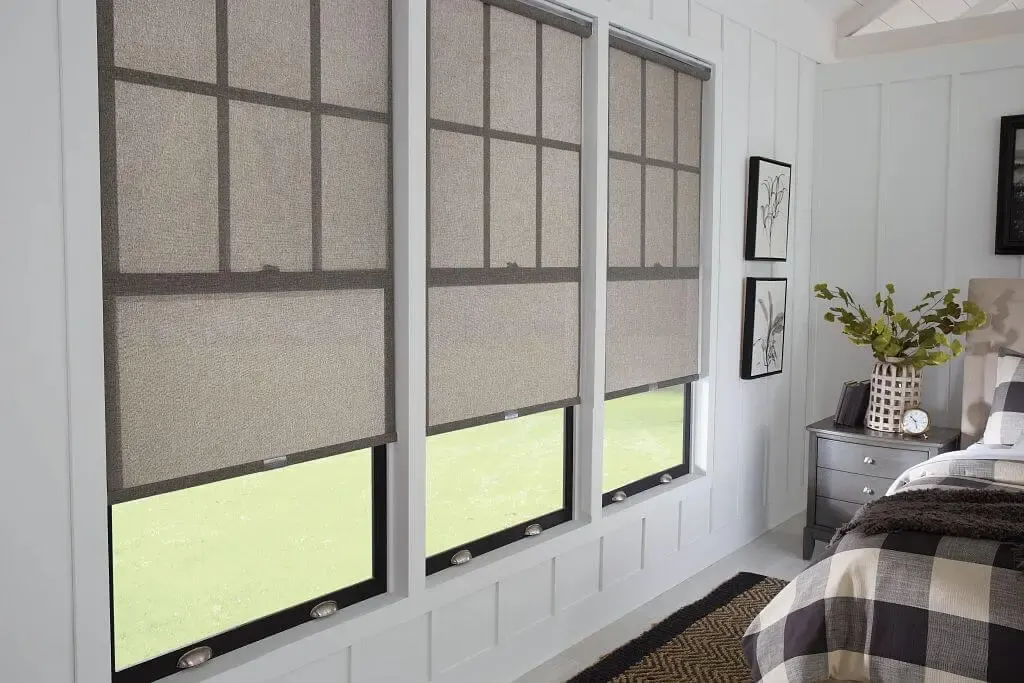 How Roller Shades Work and How to Spec Them in Greenwood
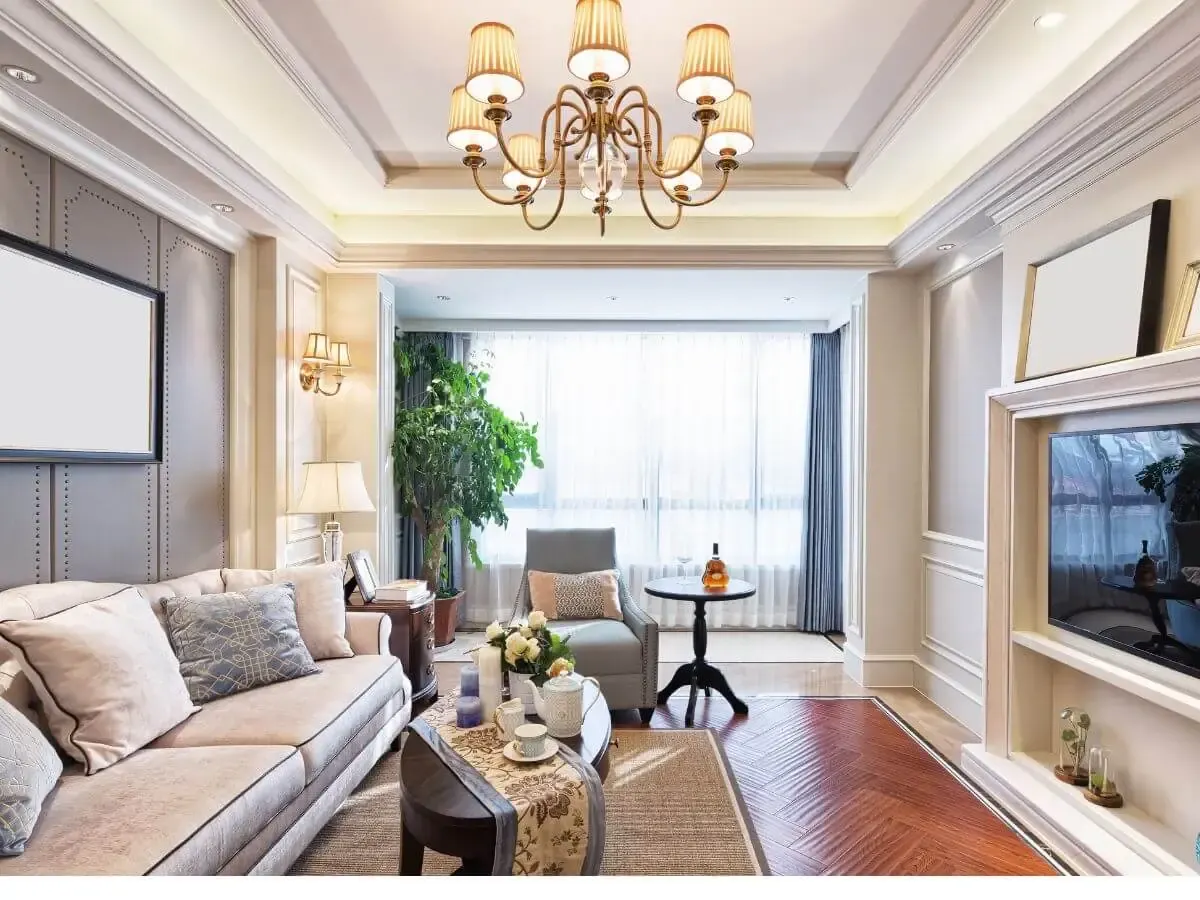 Honeycomb Shade Choices Room by Room in Greenwood Homes
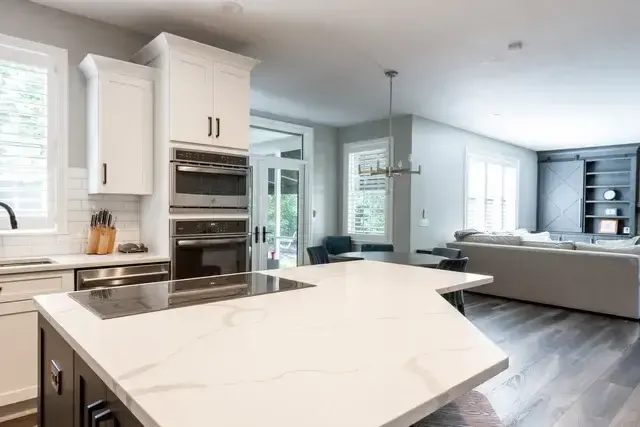 Phasing Window Treatments Room by Room in New Greenwood Homes